Luxurious smart home interior featuring a modern fireplace, large flat-screen TV, and elegant seating with decorative pillows, surrounded by expansive glass windows showcasing a scenic outdoor view.

Smart Home Mastery: 50+ Luxury Features You Didn’t Know Were Possible

When most people think of smart homes, they picture thermostats and speakers. But for discerning homeowners in New Jersey’s most affluent communities, smart living means something far more sophisticated. At AV Advisor NJ, we specialize in discreet, high-end automation that transforms every corner of your home—from entry to entertainment, wellness to hosting. Controlled from a single panel or your phone, these features deliver elegance, efficiency, and total control.

Security and access are where luxury begins. We install facial recognition entry systems, license plate scanning for gated driveways, and smart entry mats that recognize weight signatures. Gates, garages, and package lockers are app-controlled, while AI-powered surveillance and biometric panic rooms offer peace of mind. Smart safes, visitor logs, and perimeter alerts ensure your home is protected—without compromising style. Even your irrigation system adapts to weather and soil conditions, keeping your landscape lush with zero effort.

Inside, the atmosphere responds to you. Flush-mounted invisible speakers and motorized art lifts hide TVs and safes in plain sight. App-controlled fireplaces, circadian lighting, and automated drapery scenes create mood on demand. Weatherproof outdoor TVs and speaker systems extend entertainment beyond the walls, while scene-based automation syncs lighting, audio, and temperature for every occasion. Voice-activated ambiance, smart intercoms, and room-to-room paging make your home feel intuitive and alive.

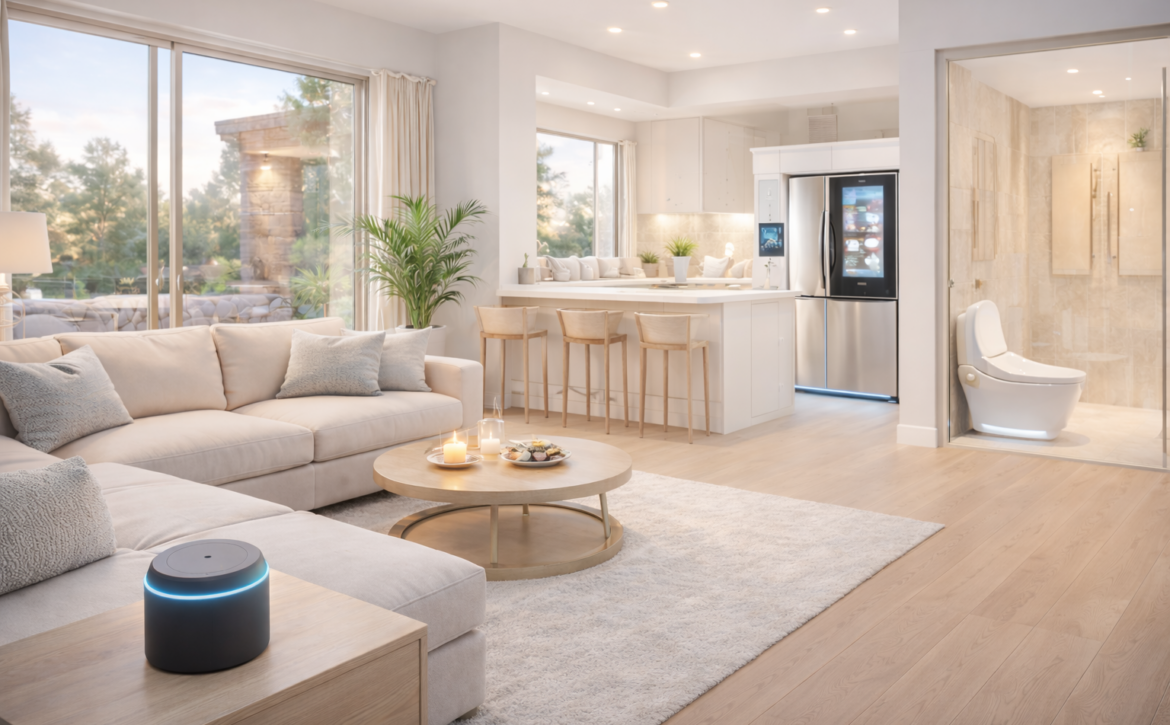
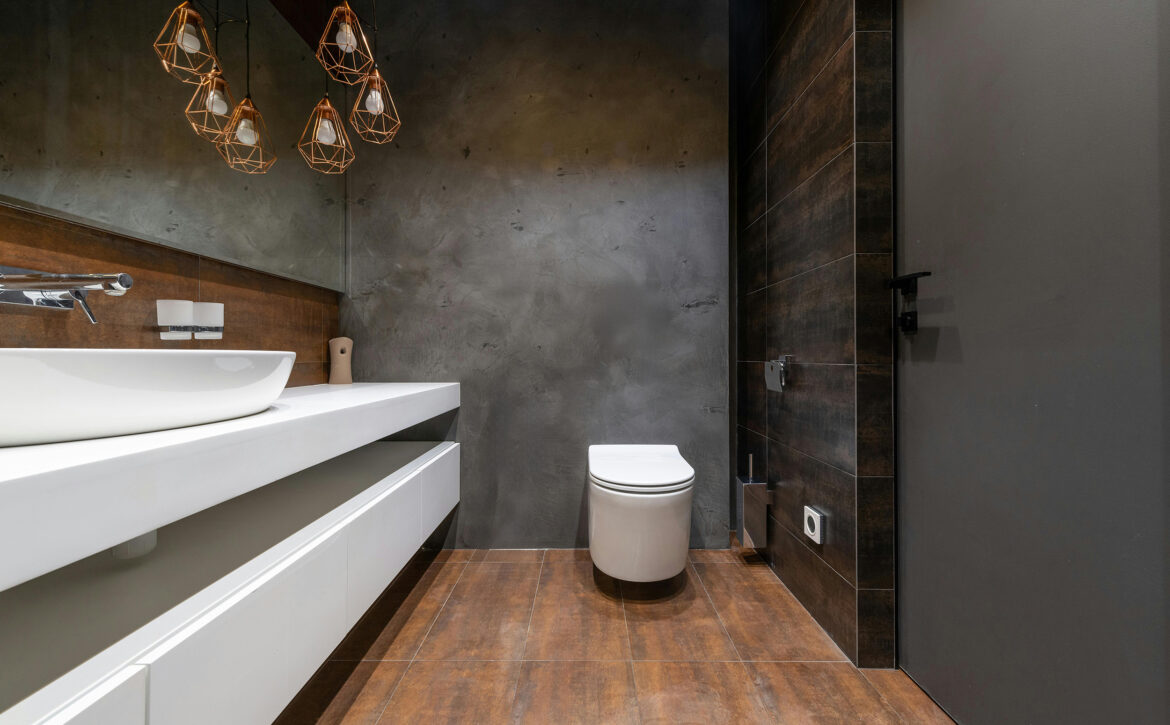
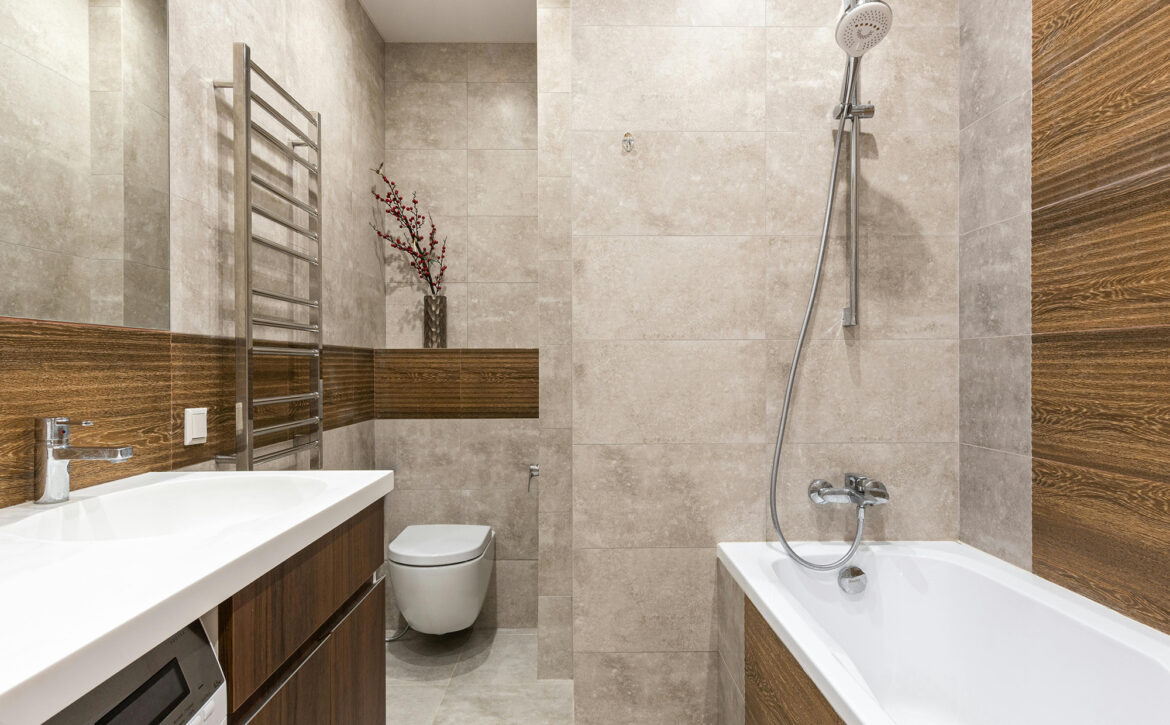
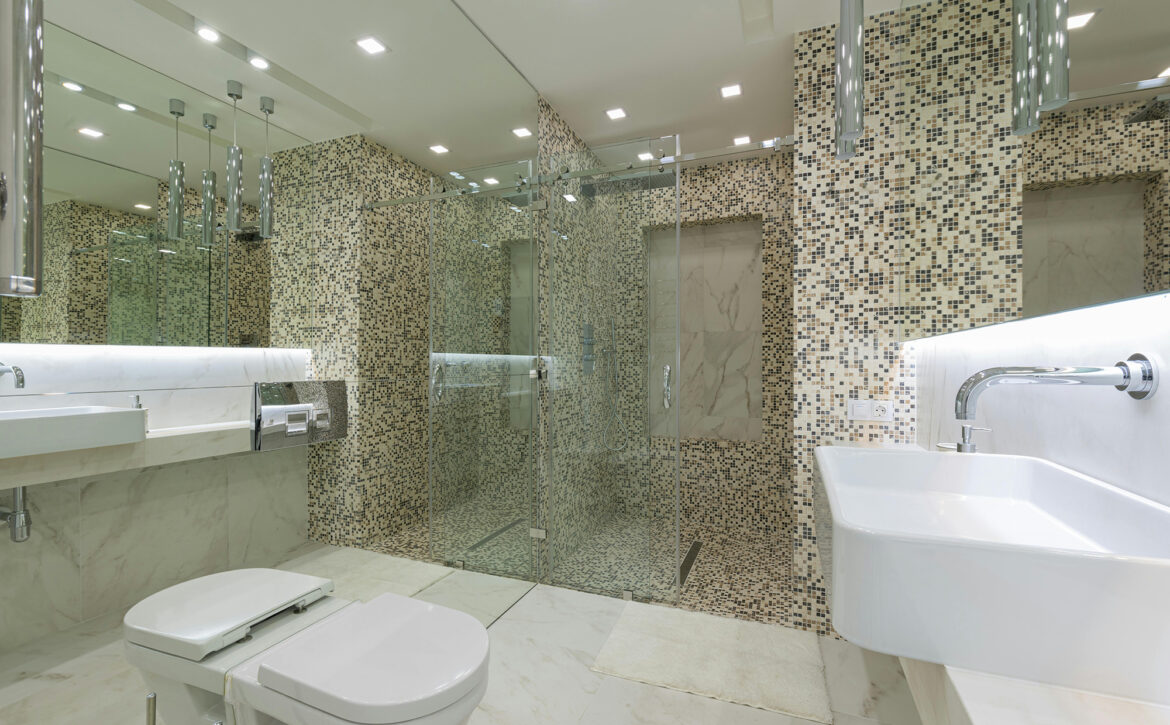
Wellness is woven into your daily rituals. Smart spa showers, bidet toilets, heated floors, and towel warmers elevate comfort. Aromatherapy bathtubs, ambient LED shower heads, and wellness mirrors personalize your space. Pools and spas are automated for jets, lighting, and filtration, while outdoor saunas and cold plunges offer programmable recovery. Smart sleep systems adjust temperature and lighting for optimal rest, and leak detection systems protect your investment with silent vigilance.

Finally, hosting becomes effortless. Wi-Fi-enabled grills and smokers, smart outdoor kitchens, and app-controlled beverage taps make entertaining seamless. Smart faucets, indoor garden systems, and recipe presets bring gourmet control to your fingertips. Lighting and audio scenes shift from prep to party, while rotating car platforms and garage lifts add a touch of drama. Whether it’s a quiet dinner or a full-blown backyard bash, your home is ready to impress—intelligently and invisibly.

Modern living room featuring a home theater setup with a projection screen displaying a city skyline, stylish furniture, and ambient lighting, emphasizing smart home automation and entertainment solutions.

Top 5 Mistakes to Avoid When Designing a Smart Home System

Designing a smart home system can be exciting, but without a thoughtful plan, it’s easy to end up with a setup that feels more frustrating than futuristic. Whether you’re building from scratch or upgrading your current tech, here are five common mistakes to avoid.

1. Overcomplicating the Setup
It’s tempting to install every smart gadget available, but more isn’t always better. A system overloaded with devices can become difficult to manage, especially if they don’t work well together. Start with your priorities, such as lighting, security, or climate control, and expand gradually. A simpler, well-integrated system is easier to use and more reliable in the long run.

2. Ignoring Power and Network Needs
Smart devices rely on strong Wi-Fi and consistent power. If your router can’t handle the load or your devices are placed in dead zones, you’ll experience lag, dropouts, or total failure. And if critical devices like smart locks or cameras lose power, your home’s security could be compromised. Plan for a robust network, consider mesh Wi-Fi, and think about backup power for essential components.

3. Skipping Professional Help for Key Installs
DIY is great for plug-and-play devices, but more complex installations like smart thermostats, in-wall switches, or whole-home audio often require professional expertise. Poor installation can lead to safety issues, voided warranties, or long-term performance problems. When in doubt, bring in a certified installer or A/V specialist to ensure everything is set up correctly.

4. Overlooking Security and Privacy
Every connected device is a potential entry point for hackers. Default passwords, outdated firmware, and unsecured networks are common vulnerabilities. And many devices collect data, sometimes more than you realize. Change default credentials, enable two-factor authentication, and keep your devices updated. Review privacy settings regularly and be selective about what you connect.

5. Designing Without the End User in Mind
A smart home should be intuitive for everyone who uses it, not just the person who set it up. If your system requires multiple apps, complex routines, or constant troubleshooting, it’s not truly smart. Think about how your family, guests, or even babysitters will interact with the system. Prioritize ease of use, accessibility, and daily convenience.

A well-designed smart home enhances comfort, security, and efficiency. Avoid these common mistakes and you’ll create a system that works for your life, not against it.

Smart access control system with keyless entry on a wooden door, highlighting modern security features relevant to office environments.

Smart Access Control for Offices: Keyless Entry, Cameras, and Beyond

Modern offices need more than just locks and keys. Smart access control systems offer a secure, flexible way to manage who enters a building, when they enter, and how their activity is tracked. From keyless entry to integrated surveillance, these systems help businesses protect their assets, streamline operations, and create a more professional experience for employees and visitors.

Keyless entry is one of the most popular features in smart access control. Instead of traditional keys, users can unlock doors using keycards, mobile apps, or biometric credentials. This not only reduces the risk of lost or copied keys but also allows administrators to grant or revoke access instantly. Temporary access can be given to vendors or contractors, and detailed logs provide a clear record of who entered and when.

Cameras and video intercoms add another layer of security. High-definition surveillance can be integrated with access points to capture footage of every entry and exit. Some systems offer real-time alerts, facial recognition, and remote viewing, giving business owners peace of mind whether they are on-site or away. These tools are especially valuable for multi-tenant buildings, medical offices, and retail spaces.

Smart access control also improves efficiency. Automated schedules can unlock doors during business hours and secure them after hours without manual intervention. Integration with lighting, HVAC, and alarm systems can further enhance energy savings and safety. When designed properly, these systems reduce friction for staff while maintaining a high level of control and visibility.

AV Advisor NJ helps businesses plan and implement smart access control solutions that fit their space, goals, and budget. From selecting the right platforms to coordinating with installers and ensuring everything works together, the service provides expert guidance every step of the way. For offices looking to upgrade their security and streamline operations, this is the place to start.

Modern office interior featuring a wooden desk, ergonomic chair, and sleek white furniture, with large windows showcasing a city skyline, designed for smart technology integration and efficiency.

Can Smart Devices from Different Brands Work Together?

Smart homes are meant to simplify life, but that goal can be challenged when devices from different brands do not communicate well. With so many platforms available, including Control4, Lutron, Apple HomeKit, Google Home, Amazon Alexa, Sonos, and Ecobee, homeowners often wonder if these systems can work together. The answer is yes, but it depends on how the technology is planned and integrated.

Compatibility relies on two main factors: communication protocols and platform support. Devices that use common standards such as Wi-Fi, Zigbee, Z-Wave, or Matter are more likely to work across brands. Matter is a newer universal standard that helps bridge the gap between manufacturers by allowing devices to speak the same language. Choosing products that support these protocols can make integration smoother and more reliable.

Smart home platforms also play a key role. Some ecosystems, like Apple HomeKit or Amazon Alexa, allow users to control multiple brands through a single app or voice assistant. Others, such as Lutron, Savant or Control4, offer more advanced integration for whole-home systems. The goal is to select devices that are compatible with the chosen platform and to ensure they are installed and configured properly.

Even when devices are technically compatible, integration can be challenging without a clear plan. Overlapping features, inconsistent interfaces, and network issues can lead to confusion or limited functionality. Smart home design should begin with strategy, not just a list of gadgets. A well-planned system considers how devices will interact, how users will control them, and how the setup can grow over time.

AV Advisor NJ helps clients navigate this complexity with confidence. By offering expert guidance on platform selection, device compatibility, and system design, the service ensures that smart technology works together as intended. Whether starting fresh or upgrading an existing setup, AV Advisor provides the clarity and coordination needed to create a smart home that feels truly connected.

Modern living room featuring a large flat-screen TV, stylish furniture, and a scenic view of the ocean and mountains, showcasing smart home design elements for comfort and functionality.

AV NJ: Smart Home & AV Design Solutions for New Jersey Homes and Businesses

If you’re searching for AV NJ services that go beyond basic installations, you’ve come to the right place. AV Advisor NJ offers high-end audio/video consulting, smart home planning, and AV design systems tailored to both residential and commercial spaces across Monmouth County, Seaside Heights, and beyond. Whether you’re looking for smart lighting control systems, motorized shade solutions, or full AV home automation, our team helps you make smart decisions—without the guesswork.

Residential Smart Home Automation in Seaside Heights, NJ

Homeowners in Seaside Heights and surrounding coastal communities are increasingly investing in smart home automation. From climate control and voice-activated lighting to flush-mounted speakers and hidden TVs, AV Advisor NJ helps you design a system that fits your lifestyle and your space. We specialize in discreet, high-end installations that include:

  • Smart lighting control systems
  • Motorized shades and drapery
  • Climate and energy management
  • Integrated fireplace and spa control
  • Voice assistant integration (Alexa, Siri, Josh.AI)
  • Custom scenes and routines

If you’re wondering where to find shade solutions in New Jersey, we’ll help you choose the right motorized options for privacy, energy efficiency, and aesthetic appeal.

AV Design Consultants for New Jersey Businesses

Looking for AV solutions for business in Monmouth County, NJ? We work with offices, retail spaces, and hospitality venues to design smart systems that improve collaboration, security, and customer experience. Our AV design consultants help you plan:

  • Conference room AV systems
  • Distributed audio for retail and hospitality
  • Smart access control and surveillance
  • Lighting and climate automation
  • Digital signage and display integration

Whether you need AV design systems in New Jersey or a full smart building strategy, AV Advisor NJ delivers scalable solutions that grow with your business.

Why Work with an Audio Advisor?

Unlike traditional installers, AV Advisor NJ acts as your strategic audio advisor—helping you choose the right products, platforms, and professionals for your project. We don’t sell gear or push brands. Instead, we guide you through:

  • Product selection and compatibility
  • System design and layout planning
  • Vendor coordination and installation oversight
  • Long-term support and optimization

If you’ve been searching for audio video advisors who understand both the tech and the lifestyle, we’re here to help.

Ready to Plan Your Smart Home or AV System?

Whether you’re upgrading a single room or building a fully automated home or business, AV Advisor NJ offers expert guidance every step of the way. From AV home automation to smart lighting control systems in Monmouth County, we help you make smart choices that feel effortless and look incredible.

Modern living room featuring smart lighting and audio-visual setup, including a projector, minimalist furniture, and automated shades, reflecting advanced home automation design.

The Best Smart Lighting and Shade Solutions for New Jersey Homes

Smart lighting and automated shades are transforming homes across New Jersey. From suburban neighborhoods to coastal retreats, homeowners are discovering how these systems enhance comfort, efficiency, and style. With the right planning, smart lighting and shading can adapt to daily routines, respond to natural light, and create the perfect ambiance for any moment.

Lighting control systems allow users to adjust brightness, color temperature, and timing with ease. Whether setting the mood for a quiet evening or automating lights to match sunrise and sunset, smart lighting brings flexibility and energy savings. Popular platforms like Lutron, Snap One, and Apple HomeKit offer intuitive controls and seamless integration with other smart devices.

Automated shades add another layer of convenience and design. Motorized options can be programmed to open and close based on time of day, temperature, or occupancy. This helps regulate indoor climate, protect furnishings from UV exposure, and maintain privacy without manual effort. Battery-powered and hardwired solutions are available to suit both new builds and retrofits.

New Jersey’s seasonal shifts and architectural diversity make smart lighting and shading especially valuable. Homes with large windows, open layouts, or multi-use spaces benefit from systems that adjust automatically and respond to changing conditions. With the right setup, homeowners can enjoy greater control, improved energy efficiency, and a more personalized living environment.

AV Advisor NJ helps clients plan and coordinate smart lighting and shade solutions that fit their space and lifestyle. From initial design to working with installers and verifying system performance, the service ensures every detail is aligned with the homeowner’s goals. For those looking to upgrade their home with intelligent lighting and shading, this is the place to start.

Home theater setup with leather recliners, projector, and large screen, showcasing smart home audio/video integration for enhanced entertainment experiences.

What Is Low-Voltage Wiring and Why It Matters in Smart Home Design

Low-voltage wiring is a key part of smart home infrastructure. Unlike standard electrical wiring that carries higher voltage, low-voltage systems typically operate at 12 to 24 volts. This type of wiring powers and connects devices such as speakers, security cameras, thermostats, lighting controls, and data networks. It is safer, more flexible, and essential for integrating the technologies that make a home smarter.

In smart home design, low-voltage wiring allows different systems to communicate and work together. Whether the goal is whole-home audio, automated shades, or a video doorbell, these components rely on structured cabling to deliver power and data efficiently. Planning this infrastructure early in the construction or renovation process helps ensure cleaner installations, better performance, and fewer complications later.

One major benefit of low-voltage systems is scalability. With the right wiring in place, homeowners can start with a few smart features and expand over time without needing to open walls or rewire the house. It also supports future upgrades, making the home more adaptable to new technologies as they become available.

Despite its importance, low-voltage planning is often overlooked. This can lead to missed opportunities, compatibility issues, or expensive rework. A well-designed plan considers the layout of the home, the desired user experience, and the specific platforms being used. It is not just about running wires. It is about creating a foundation that supports seamless and reliable automation.

AV Advisor NJ helps clients get this part right. Through thoughtful planning and coordination, the service ensures that low-voltage wiring supports the full vision of the smart home. From early design to working with installers and verifying system integration, AV Advisor provides expert guidance every step of the way. For anyone building or renovating with smart technology in mind, this is the place to start.

Modern conference room with glass walls, a large white table, black ergonomic chairs, a wall-mounted display, and a conference phone, illustrating smart AV planning for hybrid workspaces.

Designing Smarter Conference Rooms: AV Planning for Hybrid Workspaces

Hybrid work has changed how teams connect, and the conference room is now a critical bridge between in-person and remote collaboration. A well-designed space supports clear communication, reliable technology, and a professional experience for everyone involved. Smart AV planning ensures that meetings run smoothly and that the room works for the people using it.

The first step is understanding how the space will be used. Will meetings include video calls, presentations, or live demos? Will participants join from laptops, mobile devices, or integrated systems? These questions guide decisions about displays, microphones, speakers, cameras, and control interfaces. A thoughtful setup helps avoid technical distractions and keeps the focus on the conversation.

Audio quality is essential. Poor sound can disrupt even the best video call. Smart conference rooms use distributed audio systems, directional microphones, and acoustic treatments to ensure voices are clear and background noise is minimized. Video components like high-resolution cameras and well-placed screens help remote participants stay engaged and feel included.

Lighting and automation also play a role. Smart lighting can adjust based on time of day or meeting type, while integrated controls allow users to manage AV systems, shades, and climate from a single interface. These features improve usability and reflect a polished, tech-forward brand image.

AV Advisor NJ helps businesses plan conference rooms that support hybrid work without the guesswork. From early strategy to system design and coordination with installers, the service ensures that every component works together. Whether upgrading a single room or planning a full office buildout, AV Advisor provides the insight and follow-through needed to create spaces that connect people clearly and professionally.